Author(s): Sezen AVCI
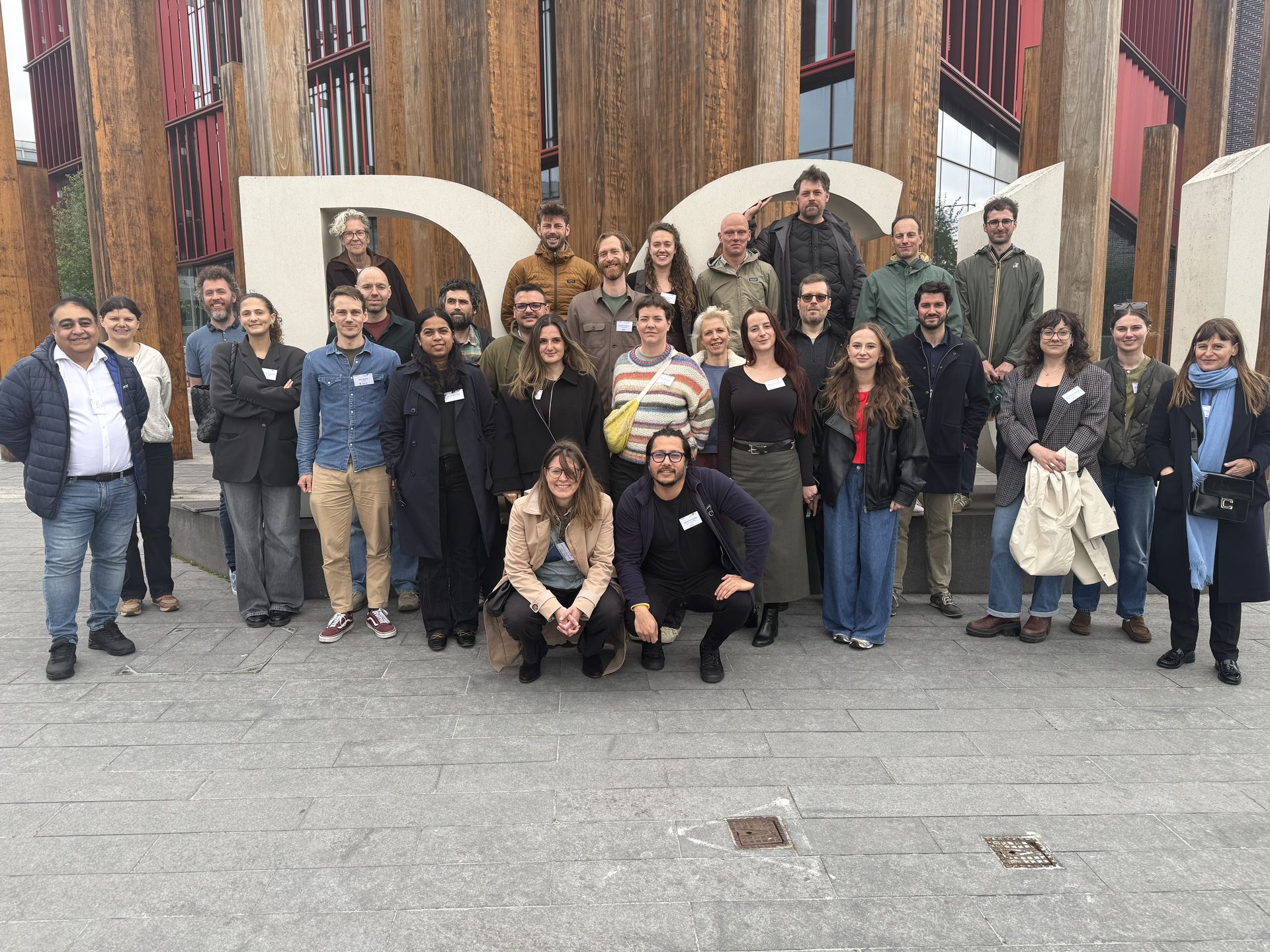
On 20 and 21 May 2026, the MultiRoofs consortium gathered in Dublin for two days of workshops, exchanges and strategic discussions. The meeting came at an important moment for the project, marking the completion of Work Package 1 and the transition towards Work Package 2, where the methodology developed so far will increasingly be put into practice through the pilots.
Across the two days, partners reflected on progress, compared experiences from the pilot territories and worked together on some of the key challenges ahead: from digital tools and property owner engagement to incentives, learning and the future transfer of MultiRoofs knowledge.
Day 1 – Moving from methodology to implementation
The first day focused on turning the MultiRoofs approach into practical solutions for local authorities and property owners.
During the third Design Your Own Rooftop workshop, partners compared different tools and approaches for rooftop and urban planning analysis. One key lesson emerged from the discussions: technology alone is not enough. Successful deployment also depends on clear use cases, good-quality data and the capacity of local authorities to integrate digital tools into their daily work.
This discussion naturally connected with a major milestone for the consortium: the completion of WP1 and preparations for WP2. The next phase will focus on implementation, including Digital Twin development, property owner identification, incentives, outreach and pilot testing. Partners stressed that this new phase will require strong collaboration between technical partners and local authorities, as well as greater shared ownership of activities and results.
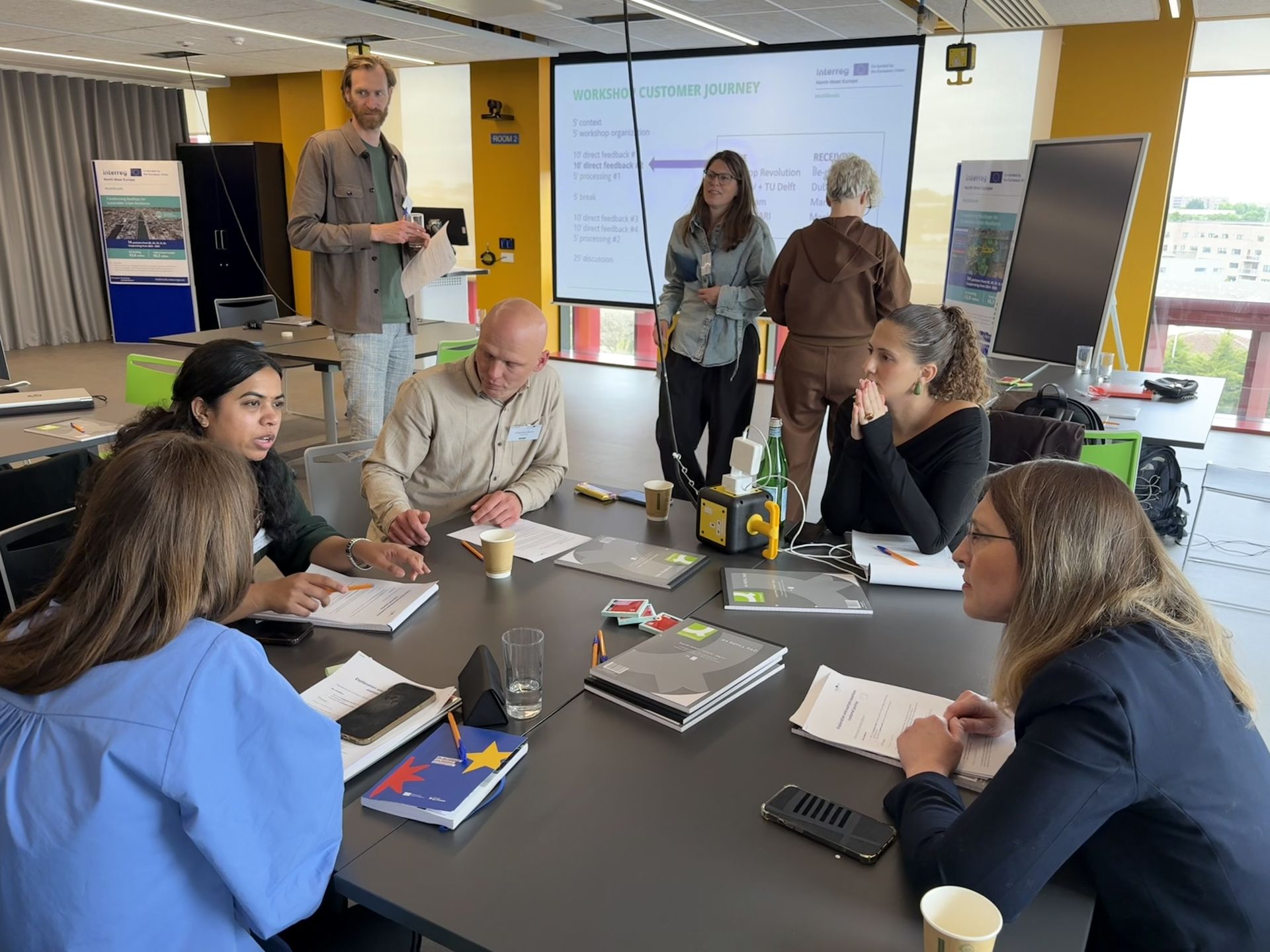
The day ended with a co-creation workshop on property owner engagement. Across the different pilot territories, partners identified several common priorities: setting clear and achievable goals, using real examples to make rooftop opportunities tangible, adapting approaches to local contexts and involving stakeholders throughout the process. A particularly strong message was the importance of co-creating with users from beginning to end.
Day 2 – Learning from the pilots and preparing for wider uptake
The second day looked at how MultiRoofs can learn from implementation and share this knowledge beyond the consortium.
A session on Reflexive Monitoring in Action explored how partners can continuously learn from their experiences and adapt their activities as the project progresses. Discussions highlighted that success should not only be measured through project deliverables, but also through the actions, capacities and changes generated within the participating local authorities.
Partners also turned their attention to WP3 and the future Joint Training Scheme, which will transfer MultiRoofs knowledge to other public authorities. The consortium explored a flexible approach combining common content with different formats—from online masterclasses and demonstrations to peer learning and site visits—allowing authorities to engage according to their needs and capacities.
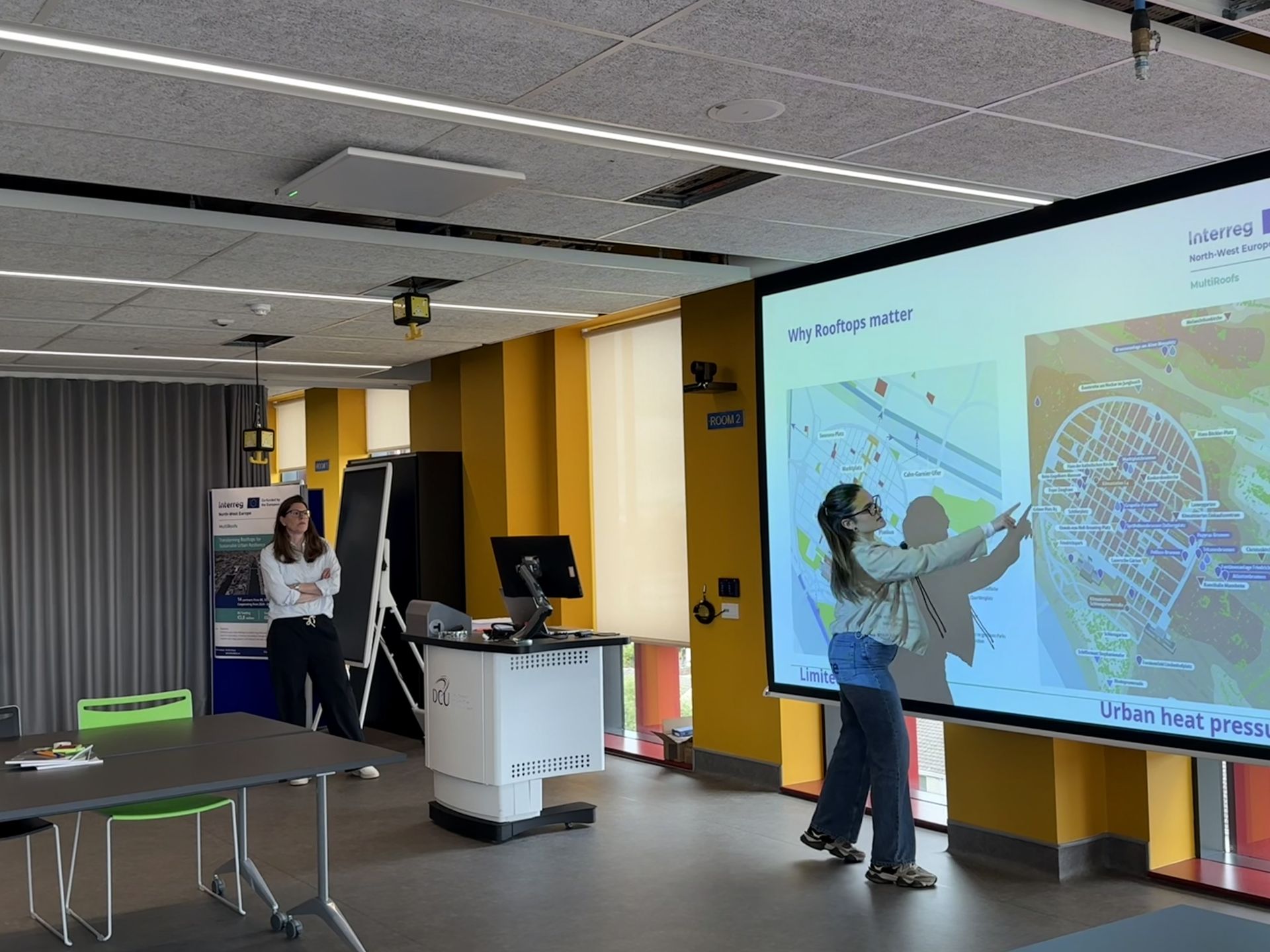
Finally, a Pecha Kucha session gave the six local authorities the opportunity to share their pilot contexts, objectives and challenges. The presentations highlighted the diversity of the MultiRoofs territories, but also a growing common understanding of rooftop activation. This diversity provides a valuable basis for identifying which lessons can be transferred between cities and which solutions need to be adapted to local realities.
A shared direction for the next phase
The Dublin meeting showed how far the consortium has come and clarified the work still ahead. With the methodological foundations established, MultiRoofs is now moving further into implementation, experimentation and learning.
The discussions also reinforced a shared understanding: activating rooftops requires more than technical solutions. It depends on quality data, collaboration, stakeholder engagement and approaches that respond to local realities.
Partners left Dublin with a clearer direction for the next phase and a shared ambition to turn the lessons emerging from the pilots into practical knowledge that can support rooftop activation across North-West Europe.