How can Dublin’s rooftops become an active part of the city’s response to climate change, biodiversity loss, renewable energy needs and housing pressures?
On 19 May 2026, the MultiRoofs project brought together local stakeholders from across Dublin and MultiRoofs partners for a focus group exploring this question. The session introduced the MultiRoofs approach and the RoofScape tool, while creating a space to discuss the opportunities and practical challenges involved in making better use of Dublin’s rooftops.
Looking at rooftops as a new layer of the city
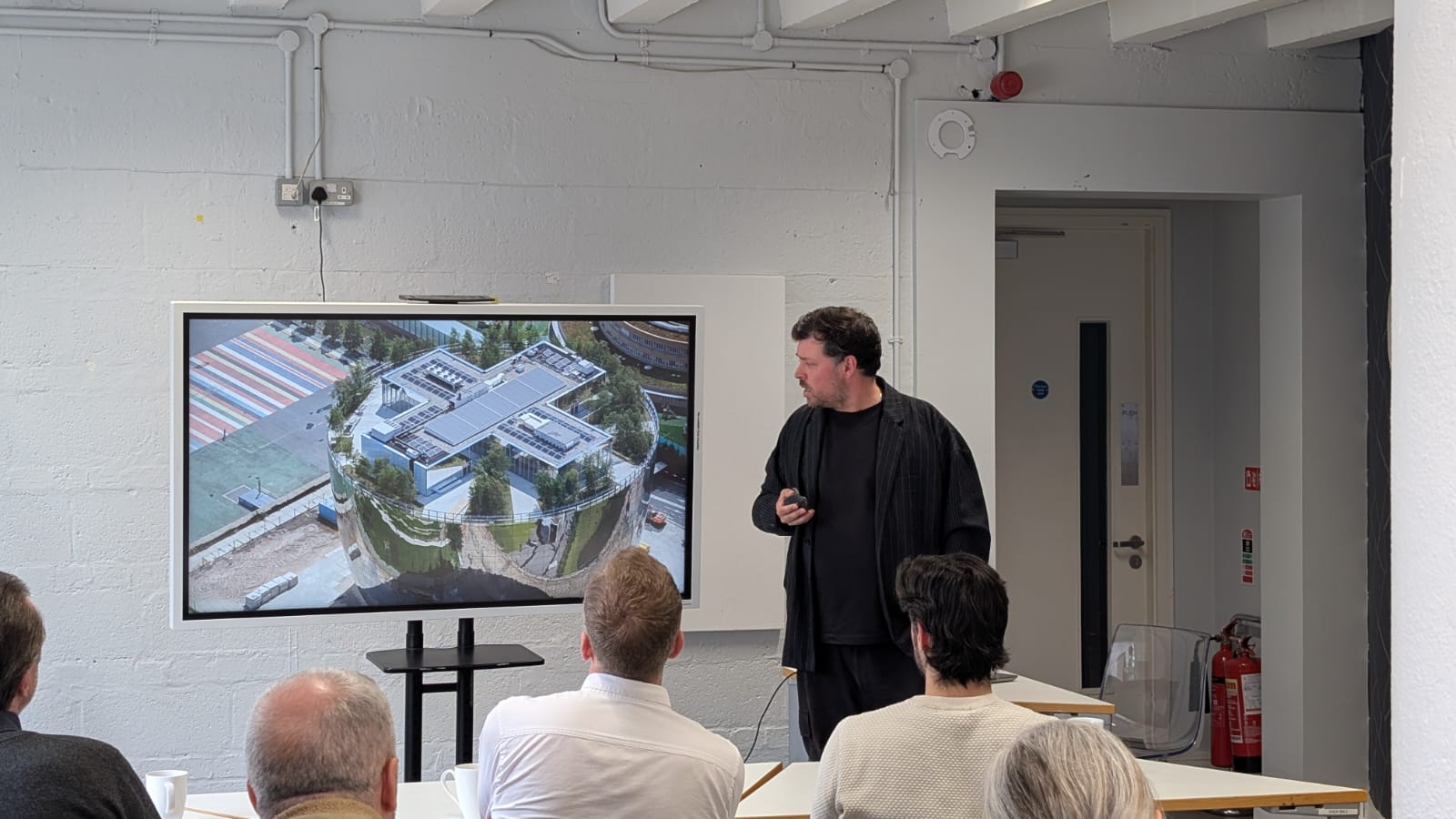
Cities face growing challenges while available urban space remains limited. MultiRoofs explores how underused rooftops can support multiple functions, from biodiversity and water retention to solar energy, housing and social uses. During the workshop, examples from Rooftop Revolution demonstrated the benefits of combining these functions from the outset, while MVRDV presented the RoofScape tool, designed to help cities explore what is needed, what is possible and what is desired, supporting more informed decisions about rooftop activation.
Data: a key challenge for Dublin
The discussion in Dublin highlighted one particularly important condition for putting this approach into practice: access to high-quality urban data.
Participants identified gaps in detailed LIDAR data and noted that existing GIS systems are largely two-dimensional. More comprehensive 3D building information would enable more meaningful rooftop analysis at city scale and could also help planners and decision-makers visualise and communicate opportunities more effectively.
This led to one of the workshop’s strongest areas of common interest: the potential to work collaboratively towards a city-wide 3D model for Dublin. Participants recognised that securing, managing and maintaining the necessary data will require cooperation across organisational boundaries.
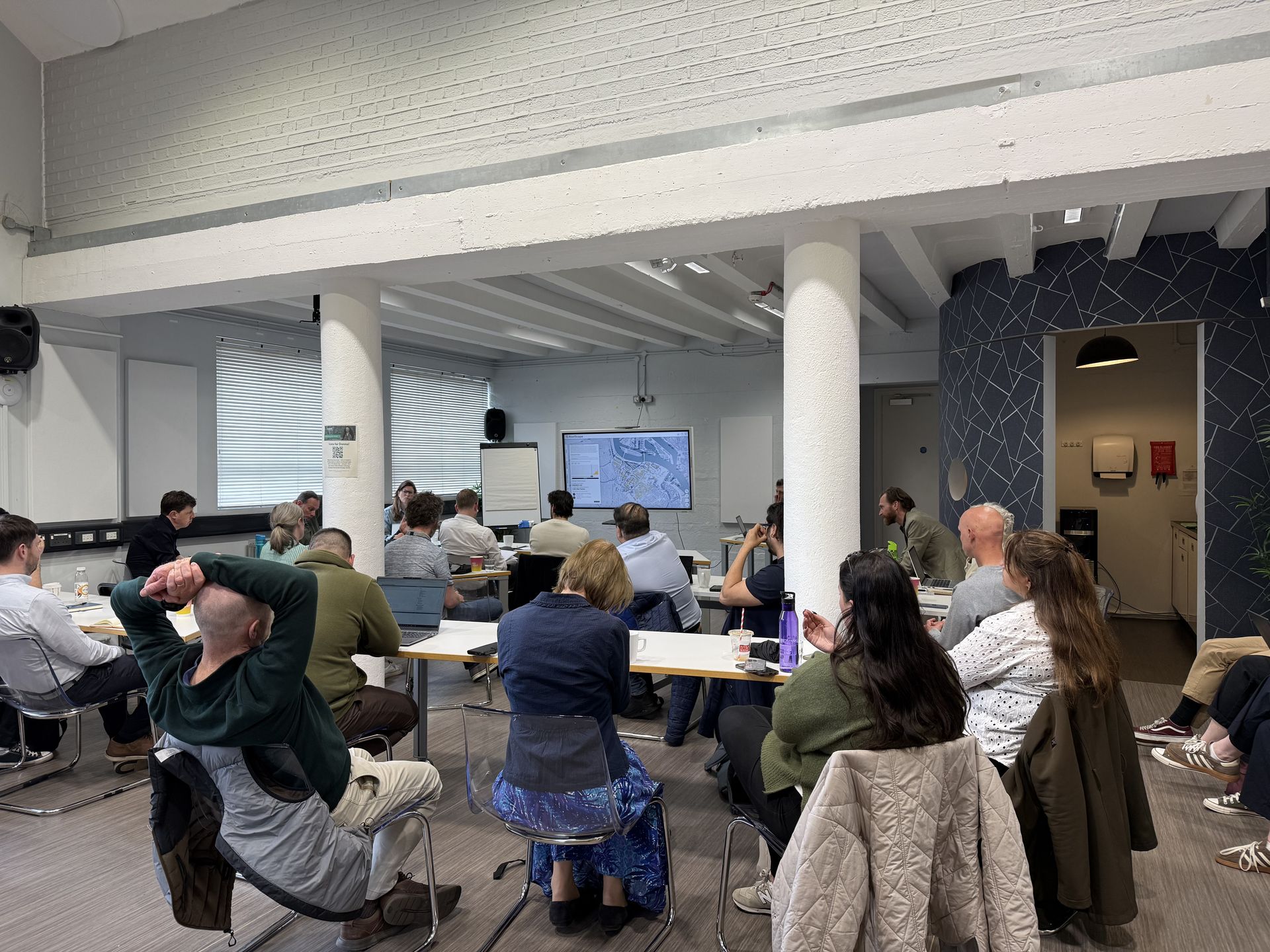
Building collaboration across Dublin
Participants also identified practical opportunities to move forward, including integrating rooftop activation into planning and climate policies, testing the approach in Decarbonisation Zones or on council-owned buildings, and developing shared data resources and guidance. As many of Dublin’s rooftop opportunities are on privately owned buildings, engaging property owners and other private stakeholders was also highlighted as an important next step.
Shared ambitions, different local realities
Following the earlier MultiRoofs focus groups in Mechelen and Brussels, the Dublin workshop reinforced a common message: cities share similar ambitions for activating their rooftops but face different local realities. While Brussels highlighted challenges around regulation, ownership and governance, Dublin brought the importance of urban data and 3D building information to the forefront. Across both contexts, collaboration remains essential to turn rooftop potential into action. These local insights will help MultiRoofs further develop an approach that can respond to the specific needs and conditions of cities across North-West Europe.